The Best Summer Nail Care Tips for Longer Stronger Nails
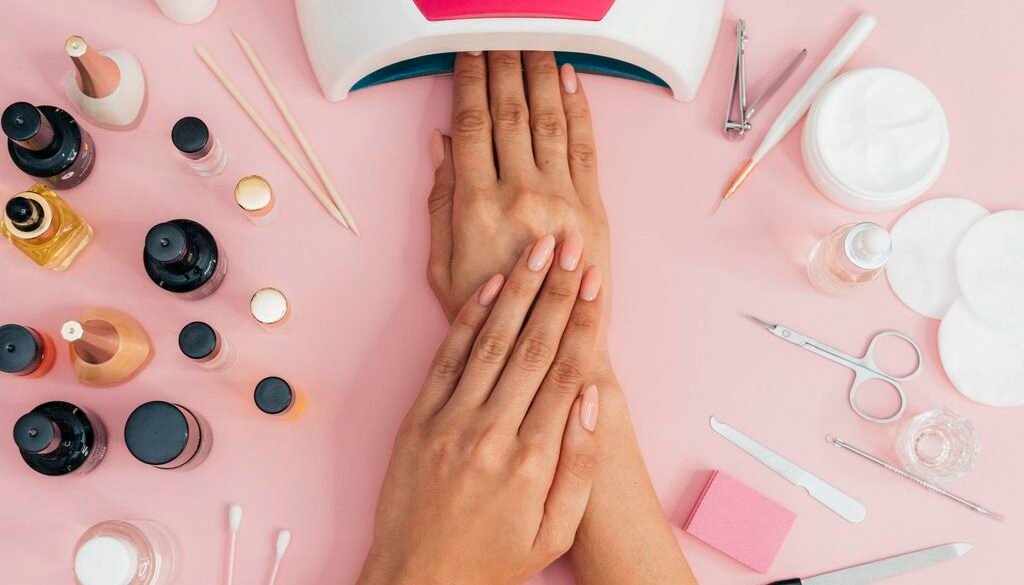
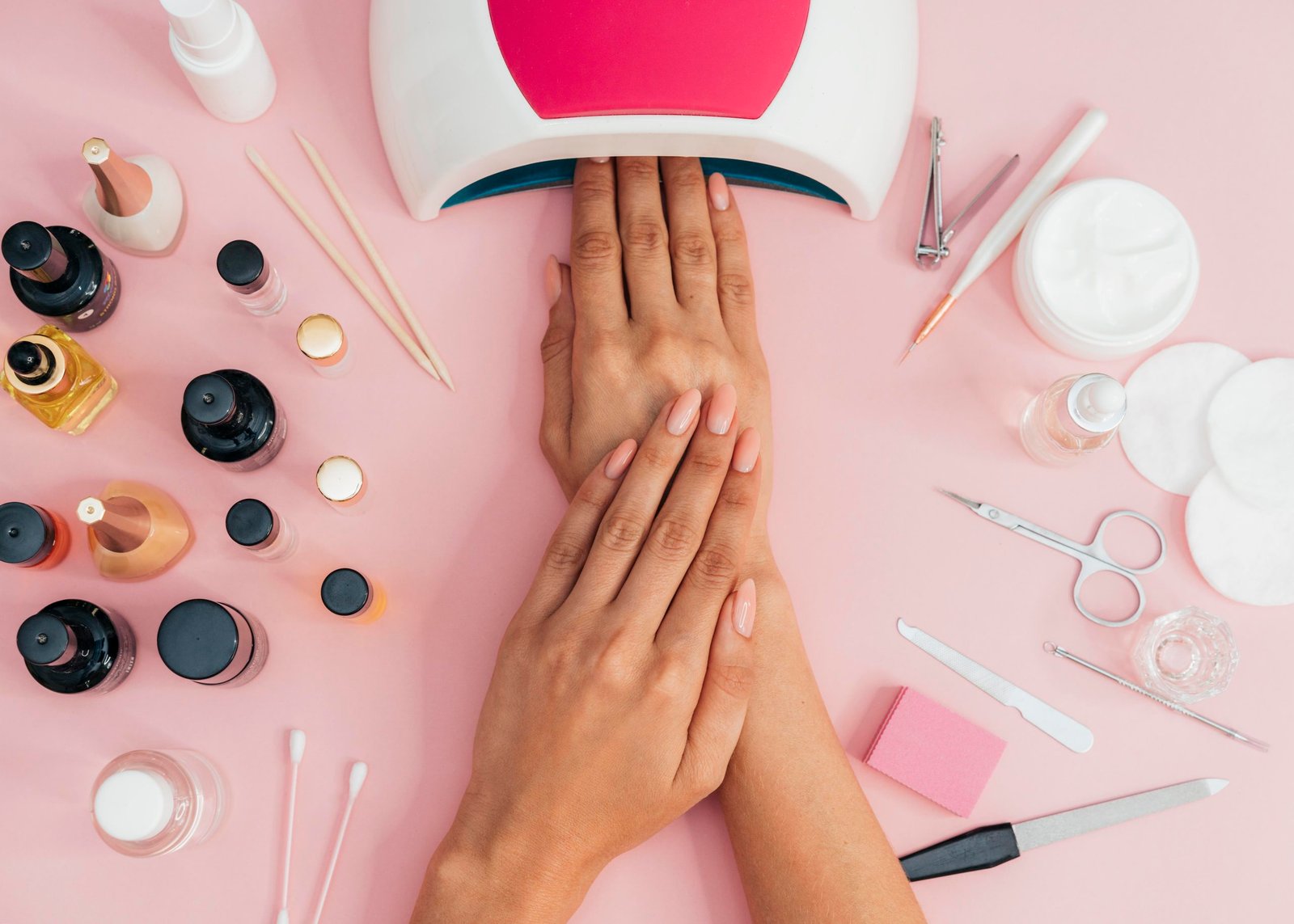
Summer is one of the harder seasons on nails. Extended sun exposure, regular water contact from swimming and showering, heat, and the increased use of sanitizers and sunscreens all dry out the nail plate and surrounding skin in ways that aren’t always immediately obvious. The result tends to show up as brittleness, peeling, lifted gel edges, dry cuticles, and weakened nail structure. Most of it is preventable with the right routine adjustments, and none of those adjustments require significant time or investment. These are the summer nail care practices worth building into your routine.
Daily Cuticle Oil Application
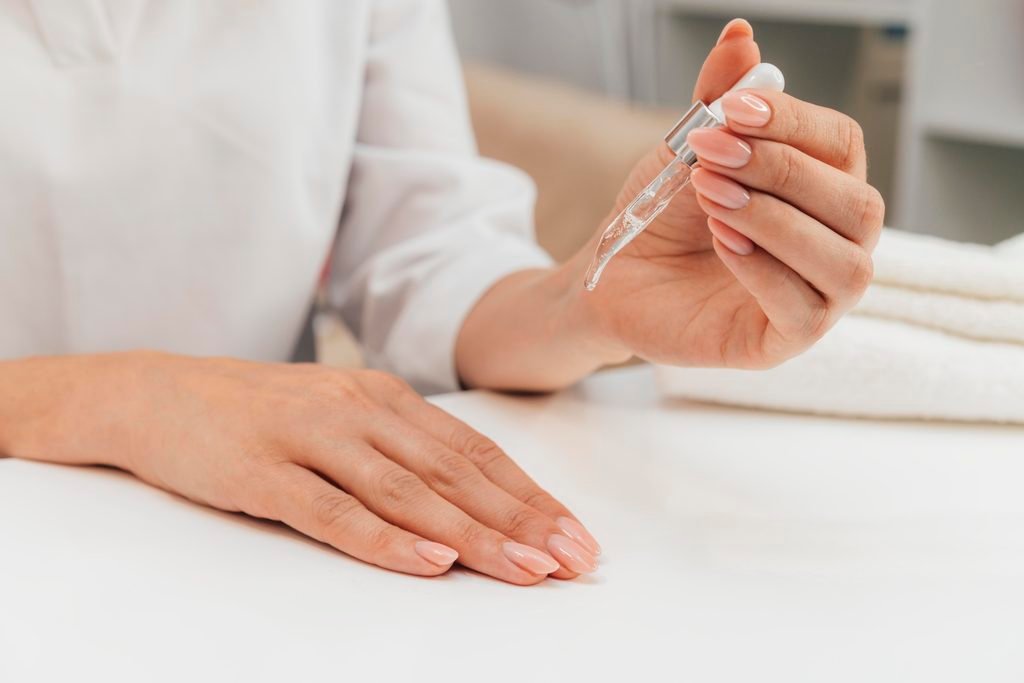
Cuticle oil applied once or twice daily is the single most impactful summer nail care habit. The increased water exposure, hand washing, and sanitizer use that comes with summer strips moisture from the cuticle area faster than the rest of the year. A jojoba- or vitamin E-based oil absorbs quickly and doesn’t leave residue. Apply after washing hands and before bed for the most consistent results.
Sun Protection for Hands and Nails
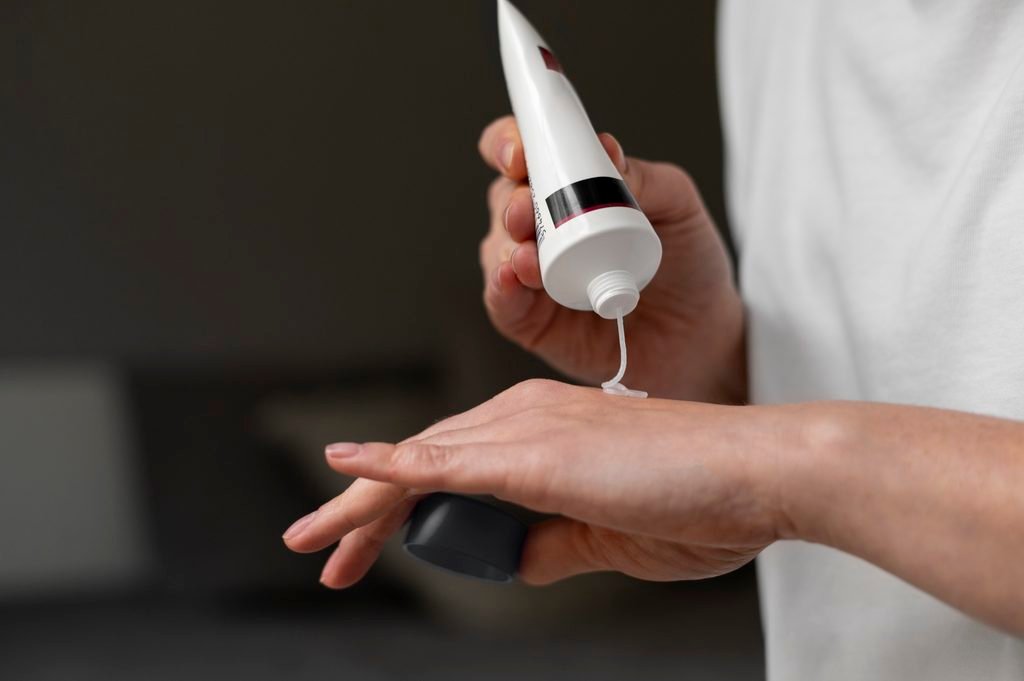
UV exposure damages the nail bed and the skin around the nails in the same way it affects the rest of the skin. Applying SPF to the backs of the hands and around the nail area before extended outdoor exposure prevents UV damage and also protects gel and nail polish color from fading prematurely. It’s an easy step that most people skip entirely.
Hydrating Hand Cream
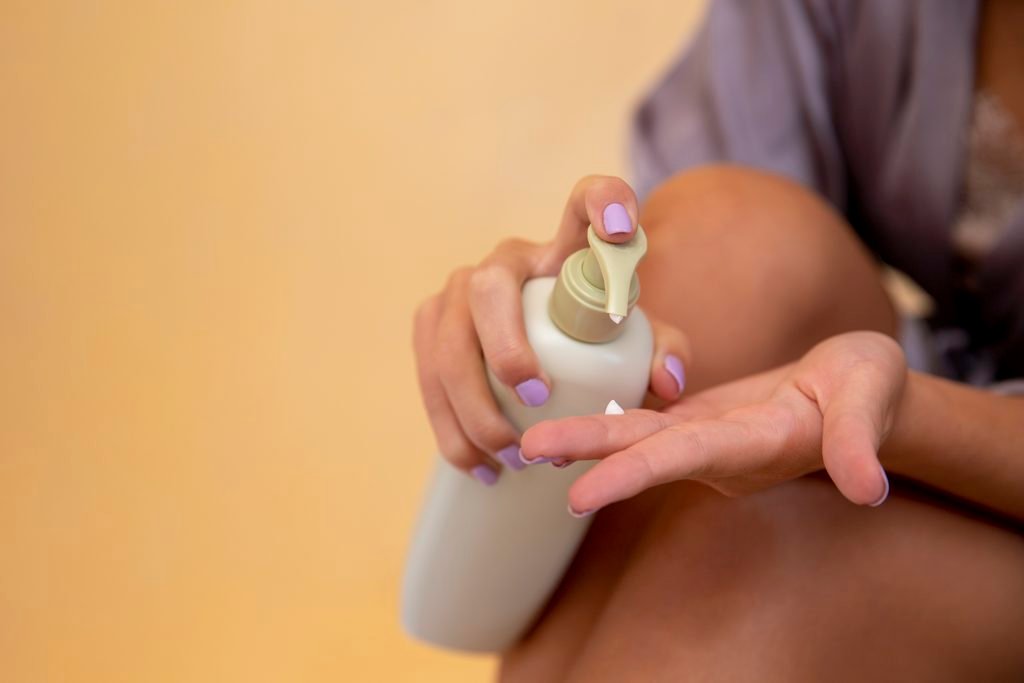
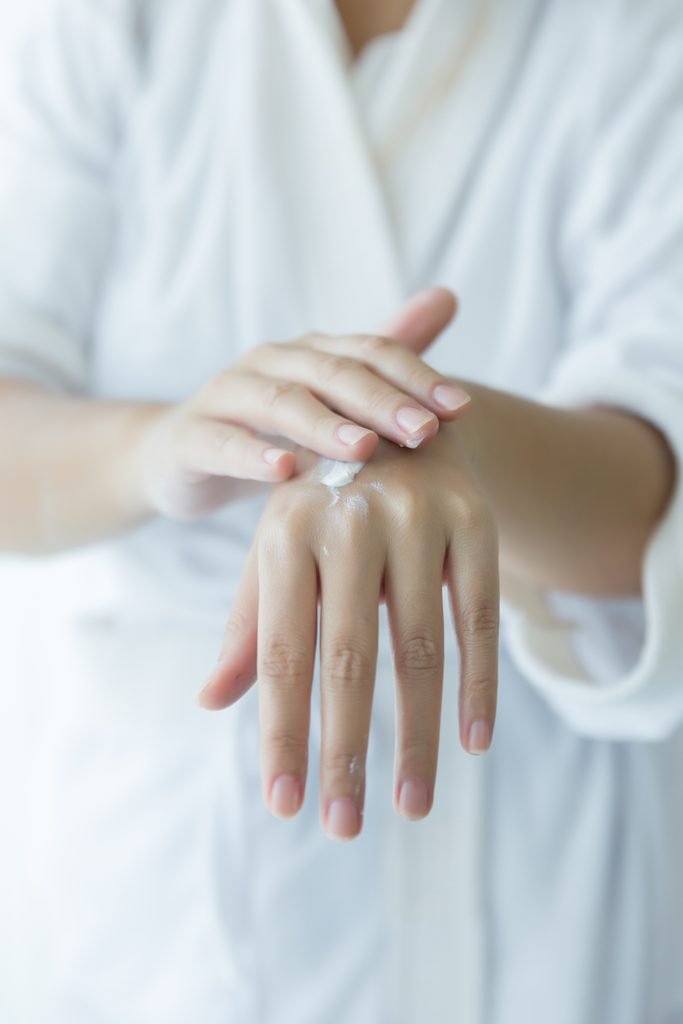
A rich hand cream applied regularly throughout the day maintains the moisture balance that water exposure and heat disrupt. Look for formulas containing shea butter, glycerin, or ceramides, which create a barrier rather than simply sitting on the surface. Apply after hand washing and before bed, and the condition of the skin around the nails will improve noticeably within a few weeks.
Pre-Swim Nail Protection
Prolonged exposure to chlorinated water weakens the nail plate and lifts gel polish from the edges, which shortens the lifespan of a manicure significantly. Applying a thin layer of cuticle oil or a nail and cuticle balm before swimming creates a barrier that slows the process. Wearing waterproof gloves for extended pool cleaning or washing tasks offers stronger protection.
Nail Strengthener Between Manicures
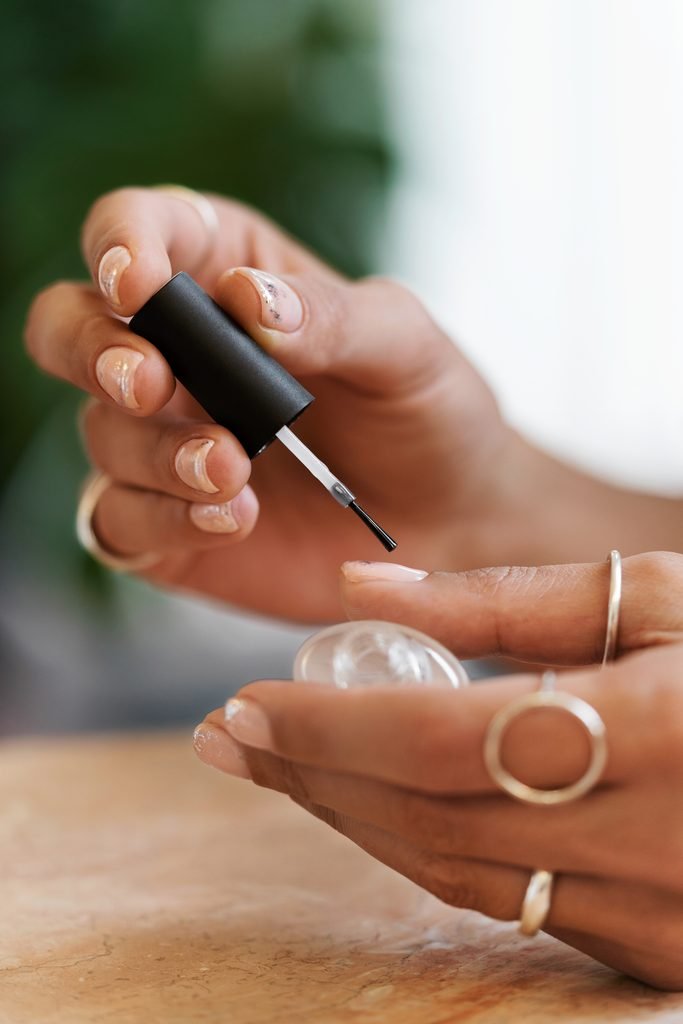
A nail strengthener or clear builder gel applied between manicures reinforces the nail plate during the summer months when the combination of water exposure and heat makes nails more prone to breaking and peeling. Protein-based formulas containing keratin or wheat protein repair existing damage while building resilience against further stress. Apply to clean, bare nails and let it set fully before polishing.
Keeping Nails Clean and Dry
Allowing nails to dry fully after water exposure before applying any product reduces the risk of moisture becoming trapped under gel or polish, which causes lifting and creates conditions for bacterial growth. Pat nails dry thoroughly after swimming or washing and wait a few minutes before applying oil or cream. It’s a simple habit that extends the life of any manicure.
Gentle Removal Practices
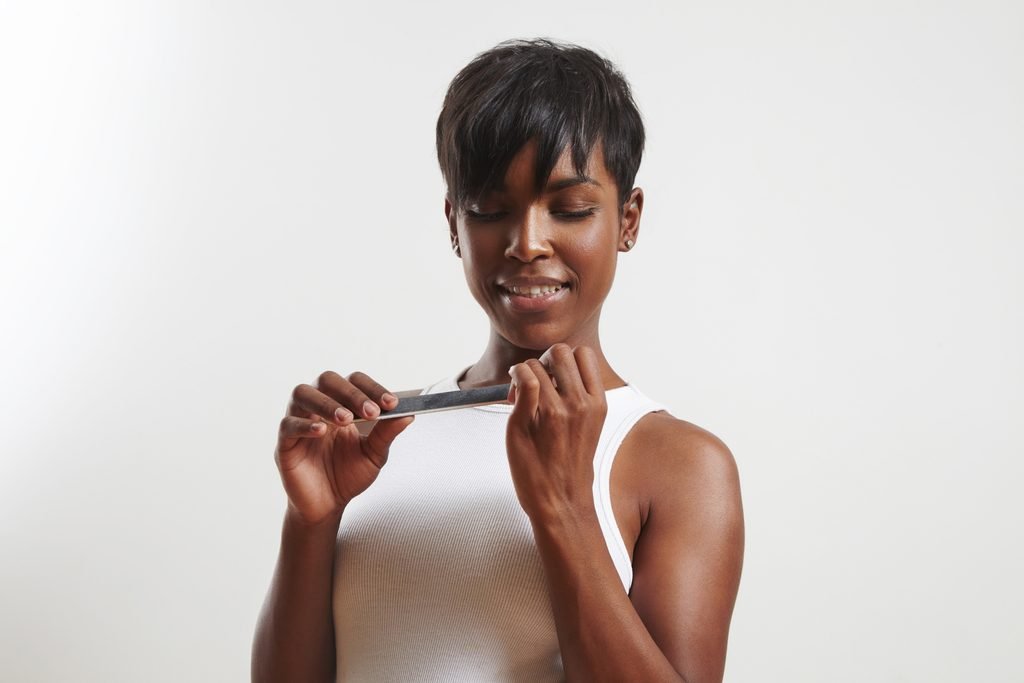
Summer wear and water exposure mean gel manicures may lift or chip faster than they do in cooler months. Peeling or picking lifted gel removes layers of the natural nail along with the product and compounds the damage that summer already causes. Proper soak-off removal using acetone and foil wraps, regardless of how minor the lifting appears, keeps the nail plate intact throughout the season.
Filing in One Direction
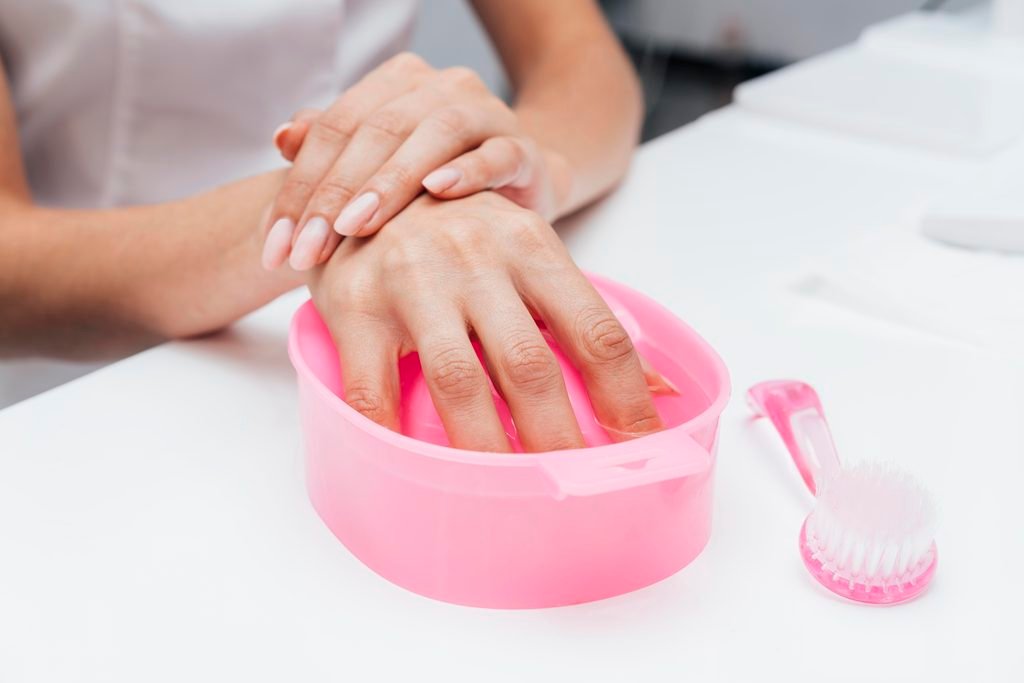
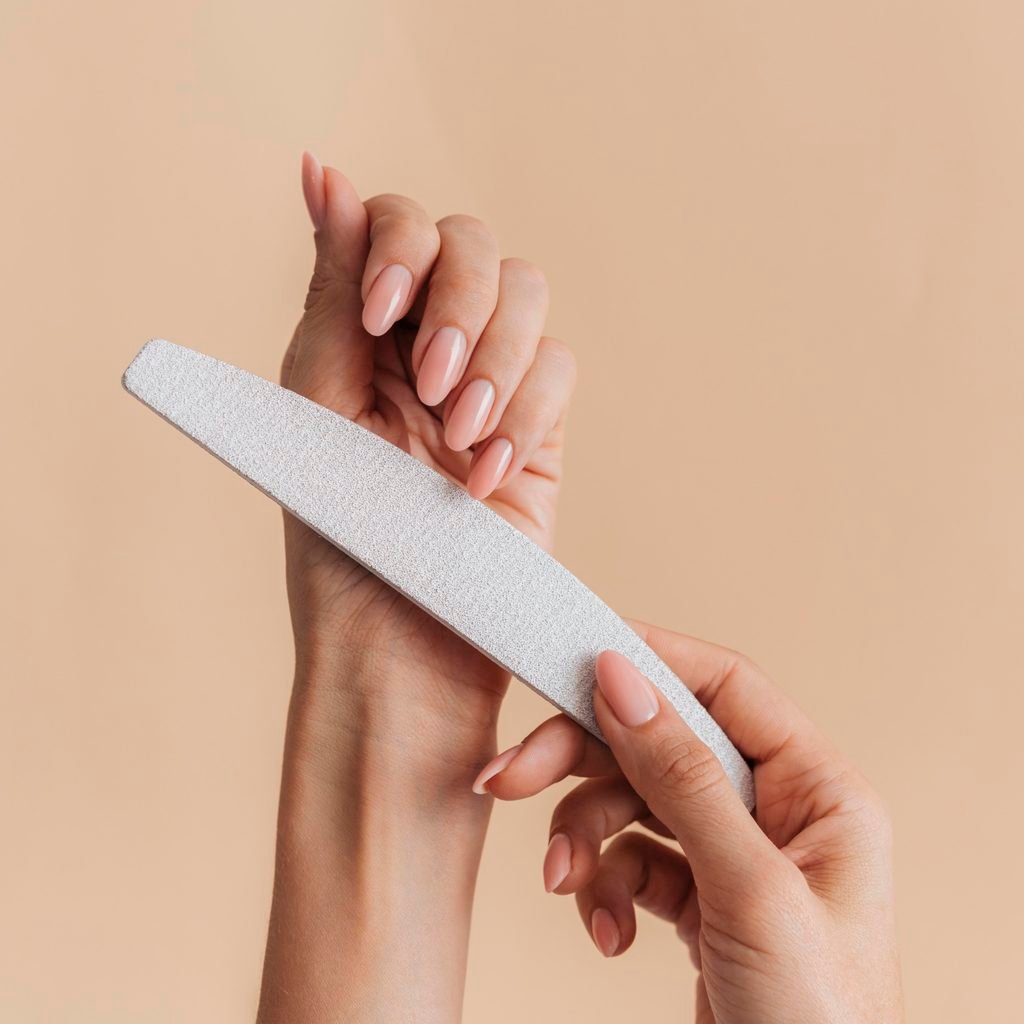
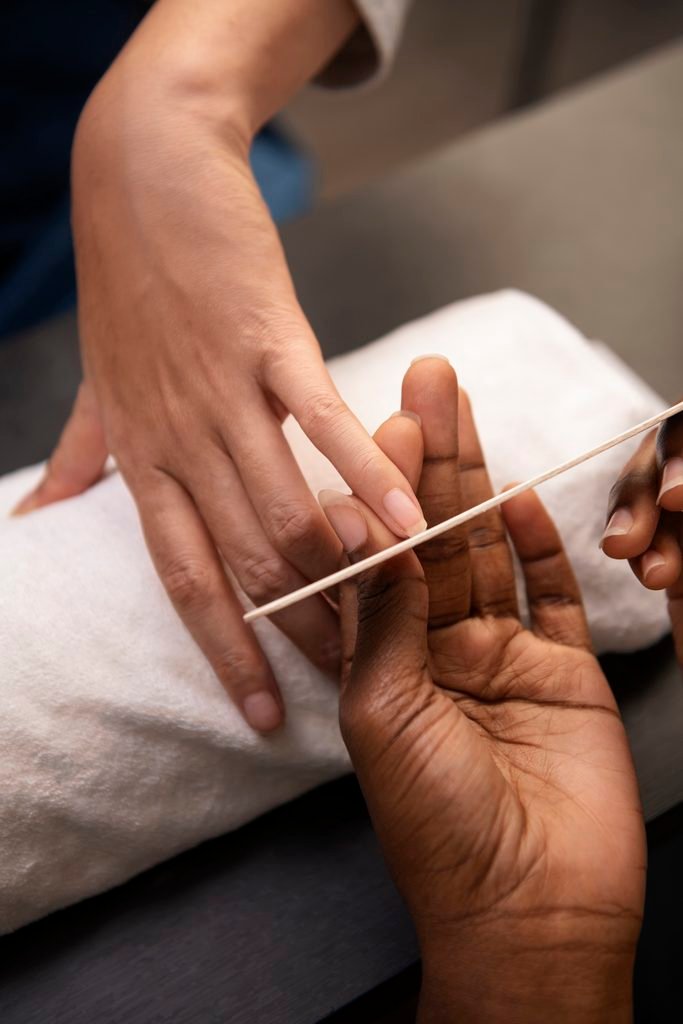
Heat and water exposure in summer make nails more flexible and prone to stress fractures from sawing back and forth with a nail file. Filing in one direction from the outer edge toward the center reduces the risk of splitting and keeps the nail edge clean. Use a fine-grit file rather than a coarse one and avoid filing immediately after extended water exposure when nails are at their most pliable.
Nail-Friendly Diet Adjustments
Biotin, zinc, and vitamin E all support nail strength and growth, and their impact becomes more visible when the nails are under additional seasonal stress. Foods like eggs, nuts, leafy greens, and avocado support all three. Staying well hydrated throughout summer also directly affects nail flexibility and reduces the brittleness that comes with dehydration.

Shorter Nail Length for Summer
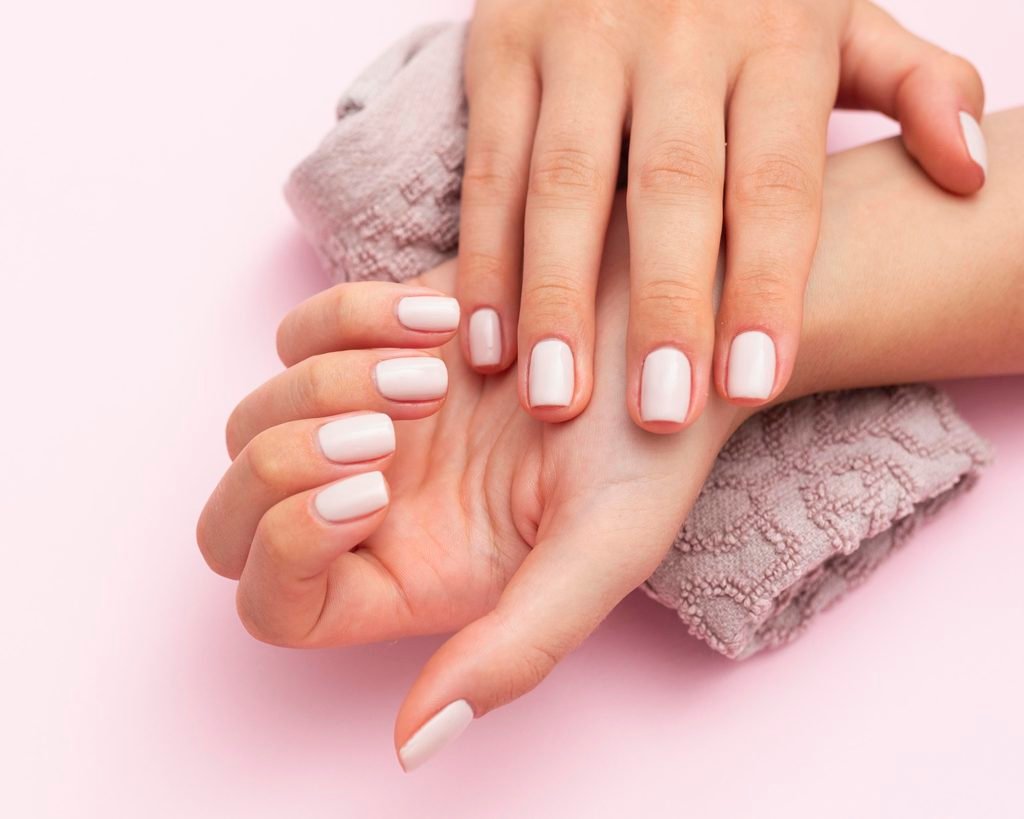
Keeping nails at a shorter length in summer reduces the surface area exposed to water, UV, and physical stress from outdoor activities. Shorter nails also handle the expansion and contraction of the nail plate that comes with temperature changes more effectively than longer lengths. A short almond or rounded square is a practical shape for summer that still reads polished and considered.
Regular Breaks from Gel and Acrylics
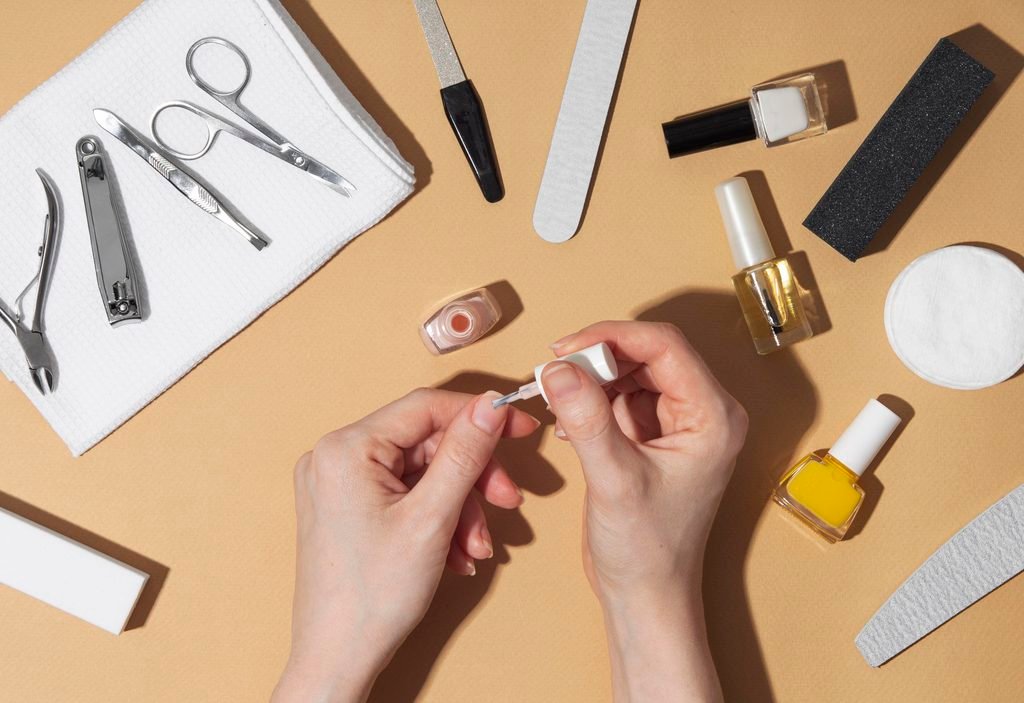
Giving natural nails a break from gel and acrylic products for a week or two between summer manicures allows the nail plate to breathe and recover. Use the break period to apply a strengthening treatment and hydrate the nail and cuticle area intensively. The nails will be in better condition for the next application and will hold the product for longer as a result.
Avoiding Nails as Tools
Summer activities create more opportunities to use nails as tools, opening cans, pulling at packaging, and digging in the garden, and each instance increases the risk of breakage and lifting. Using the pad of the finger rather than the nail tip for these tasks becomes more important in summer when the nail is already under additional stress from environmental exposure. It’s a small habit that makes a noticeable difference over the course of the season.
Conclusion
Summer nail care is mostly about protection and replacement. The season depletes moisture, weakens the nail plate, and shortens the lifespan of manicures faster than most other times of year, and the response to that needs to be consistent rather than reactive. Daily cuticle oil, SPF on the hands, proper removal, and regular hydration cover the most important ground. Build those into your existing routine first and add the remaining steps as needed based on your specific summer activities and nail condition. The difference between summer nails that hold up well and ones that don’t usually comes down to those few consistent daily habits